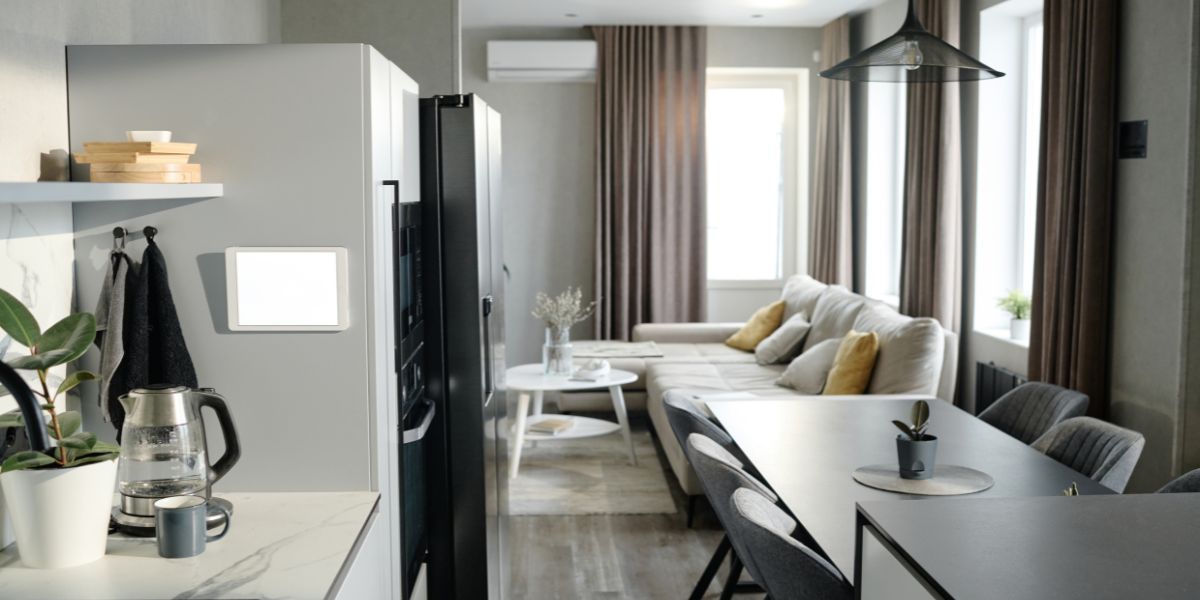
Choosing an apartment is not only about finding a place to live. It is about choosing a home that supports daily routines, comfort, convenience, and peace of mind. A rental apartment can affect how easily someone gets to work, where they shop, how they relax, how they welcome guests, and how settled they feel at the end of each day.
Many renters begin their search by comparing price, location, and the number of bedrooms. These details are important, but they are only part of the decision. The full rental experience also includes building maintenance, cleanliness, management response, amenities, neighbourhood fit, safety, and long-term comfort.
A good apartment community should feel practical and well cared for. Residents should be able to move through common areas comfortably, contact management when needed, and feel that the building is being maintained with care. When the apartment, building, and property team work together, renting can feel easier and more stable.
For people searching for apartment communities with resident-focused service, it is helpful to look beyond listing photos and think about what daily life will feel like after moving in.
Location Should Make Daily Life More Convenient
Location is one of the most important parts of apartment living. A rental home can look appealing online, but if it is far from work, school, transit, groceries, or other daily needs, it may become inconvenient over time.
Renters should think carefully about their regular routine. Do they drive or use public transit? How long will the commute take? Are grocery stores, pharmacies, restaurants, parks, gyms, schools, or medical services nearby? Is the area quiet or active? Does the neighbourhood feel comfortable during both the day and evening?
Different renters need different things. A student may value affordability and easy transit. A professional may want a shorter commute and nearby services. A family may need schools, green space, and practical layouts. Someone downsizing may prioritize elevator access, quiet surroundings, and convenience.
The right location should support the way someone already lives. When errands, commuting, and daily routines are easier, the apartment can feel more like home.
The Building Should Feel Well Maintained
The condition of the building affects the rental experience every day. Residents use entrances, hallways, elevators, stairwells, laundry rooms, parking areas, garbage rooms, and outdoor spaces regularly. These areas are part of the home environment, even if they are shared.
A clean and well-maintained building creates confidence. It shows that the property is being cared for and that residents’ comfort matters. Good lighting, tidy common areas, secure entrances, maintained landscaping, and organized shared spaces can all make a building feel more welcoming.
When common areas are neglected, even a nice apartment suite can feel less comfortable. Dirty hallways, slow repairs, poor lighting, or unclear communication can make residents feel frustrated.
During a viewing, renters should pay attention to the full property. The condition of the building often reveals how seriously the property is managed.
A Functional Layout Supports Real Life
Apartment size matters, but layout can matter even more. A smaller unit with a smart layout can feel more comfortable than a larger apartment with awkward rooms or limited storage.
A functional layout should support everyday activities. The kitchen should be practical for cooking. The living area should fit furniture comfortably. Bedrooms should feel private and restful. Closets should provide enough storage. If someone works from home, there should be space for a desk or quiet work area.
Renters should imagine a regular day inside the apartment. Where will shoes, coats, groceries, laundry, and cleaning supplies go? Is there room to relax? Can guests sit comfortably? Does the space feel easy to move through?
A good apartment does not need to be oversized. It needs to be usable, comfortable, and suited to the resident’s lifestyle.
Cleanliness Helps Create Comfort
Cleanliness is one of the clearest signs of good property care. Residents can keep their own suites clean, but they depend on the property team to maintain shared spaces.
Clean entrances, elevators, stairwells, hallways, laundry rooms, parking areas, and outdoor spaces make the building feel more welcoming. They also help residents feel more comfortable inviting guests and moving through the property each day.
A clean building can also create a stronger sense of pride. When common areas are cared for, residents are more likely to feel that they are living in a respectful and organized community.
Cleanliness is not only about appearance. It affects how people feel when they come home. A well-kept building can make apartment living feel calmer, safer, and more pleasant.
Responsive Management Makes Renting Easier
A rental apartment is not only a physical space. It is also an ongoing service experience. Residents rely on property managers, leasing teams, maintenance staff, and building representatives to keep the property running smoothly.
Responsive management can make a major difference. When residents have questions, maintenance requests, or concerns, they want clear communication and timely support. A professional property team helps residents feel respected and heard.
Every building may need repairs or service from time to time. What matters is how those issues are handled. Clear processes, consistent communication, and respectful service can reduce stress and build trust.
Good management helps residents feel more settled. When people know the building is being cared for, they can feel more confident in their home.
Amenities Should Support Real Needs
Amenities can add value to apartment living, but only when they match the resident’s lifestyle. Some renters may value parking, storage, elevators, laundry facilities, balconies, fitness rooms, outdoor spaces, or pet-friendly policies. Others may prioritize affordability, quiet surroundings, or access to transit.
The best amenities are practical. A commuter may need parking or nearby transit. A remote worker may need quiet space and reliable building systems. A family may need storage and access to parks. A student may want convenience and cost efficiency.
Renters should think about what they will actually use. A building with useful amenities, clean common areas, and responsive management can often offer a better experience than a property with features that look attractive but do not fit daily life.
Amenities should make life easier, not simply make a listing look better.
The Neighbourhood Shapes the Feeling of Home
An apartment is connected to the neighbourhood around it. The surrounding area affects how residents shop, commute, exercise, relax, socialize, and spend time outside the home.
Some renters prefer quiet residential streets. Others want quick access to restaurants, entertainment, shopping, transit, or downtown areas. Families may look for schools and parks. Professionals may prioritize commute time and services. Downsizers may want walkable access to essentials.
It can be helpful to visit the neighbourhood before making a decision. Checking traffic, noise, parking, transit, and nearby stores at different times of day can give renters a better sense of what life may feel like there.
A good neighbourhood fit can make an apartment feel more connected, comfortable, and practical.
Safety and Comfort Should Always Matter
A rental home should feel safe and comfortable. Practical safety features may include secure entrances, working locks, good lighting, clear walkways, maintained common areas, and responsive property care.
Comfort is also personal. Some residents want peace and quiet. Others prefer convenience and access to city life. Some need parking, storage, or elevator access. Others care most about natural light, layout, or nearby green space.
A clean, organized, and professionally managed building can help residents feel more at ease. When people trust that the property is being maintained, they can settle into their home with greater confidence.
Renters should pay attention to both visible details and their own instincts during a viewing. If a property feels comfortable and cared for, that can be a strong sign.
Apartment Living Should Support Stability
Even if renting is not permanent, the apartment should still provide stability. Moving can be expensive, time-consuming, and stressful, so choosing carefully can help avoid unnecessary disruption later.
A stable rental home should fit current needs while offering some flexibility for the near future. Renters should think about whether the location will still work in a year, whether the rent fits the budget, whether the layout has enough storage, and whether the building feels reliable.
Stability comes from the full living experience. Location, layout, cleanliness, management, building care, and neighbourhood all work together.
A good apartment gives residents a dependable place to rest, work, build routines, and move forward.
Professional Property Management Adds Value
Professional property management can improve the rental experience in many ways. It supports leasing, maintenance, resident communication, common area care, repairs, and long-term property standards.
When a building is professionally managed, residents benefit from clearer systems. They know who to contact, how to request help, and what to expect when something needs attention. This can make apartment living feel more organized and less stressful.
Good management also helps protect the building itself. Cleaning, repairs, landscaping, communication, and resident service all require ongoing attention. When these details are handled consistently, the building can feel more comfortable and dependable.
For renters exploring rentals in Ottawa, Gatineau, Kingston, Edmonton and Calgary, professional management should be considered alongside price, location, and suite features.
Technology Can Help With the Search
Many renters begin their search online. Photos, floor plans, maps, availability details, applications, and virtual tours can make it easier to compare apartments before booking a viewing.
After moving in, digital tools can also support the resident experience. Online maintenance requests, resident notices, payment options, and portals can make communication more convenient.
However, technology works best when it is supported by real service. Renters still want helpful people behind the systems. A smooth online search can make the process easier, but responsive staff can make the experience feel complete.
A strong rental experience combines convenience with professional support.
What Renters Should Notice During a Viewing
An apartment viewing is a chance to evaluate more than the suite. Renters should look at the full property, including entrances, hallways, elevators, stairwells, laundry rooms, parking areas, lighting, exterior spaces, and overall cleanliness.
Inside the apartment, they should consider natural light, storage, layout, kitchen function, bathroom condition, noise levels, and furniture placement. It is also helpful to ask about utilities, parking, maintenance, lease terms, amenities, and building rules.
A viewing should help renters imagine daily life in the space. Can they picture cooking, relaxing, working, sleeping, and welcoming guests there? Does the building feel comfortable? Does the neighbourhood support their routine?
The more complete the evaluation, the easier it becomes to make a confident decision.
Choosing the Right Apartment With Confidence
Apartment hunting can feel overwhelming because there are many details to compare. Rent, size, location, amenities, cleanliness, management, safety, and neighbourhood all matter. The best choice usually comes from looking at how these details work together.
A lower rent may not feel worthwhile if the building feels poorly maintained. A larger unit may not feel comfortable if the layout is awkward. A great location may not be enough if management is unresponsive.
The right apartment should offer balance. It should fit the budget, support daily routines, feel comfortable, and be part of a building that is cared for.
When those pieces come together, apartment living can feel more stable and enjoyable.
Finding a Rental Home That Truly Fits
A good rental home should make daily life easier. It should offer a practical location, a functional layout, clean shared spaces, useful amenities, responsive support, and a building environment that feels welcoming.
Choosing the right apartment takes time, but it is worth looking carefully. Renters should compare more than price and photos. They should think about how the apartment, building, neighbourhood, and management experience will support daily life.
When the full picture feels aligned, renting can become more comfortable and confident. A rental apartment is not only a place to stay. It is a place to build routines, feel settled, and move forward with peace of mind.
