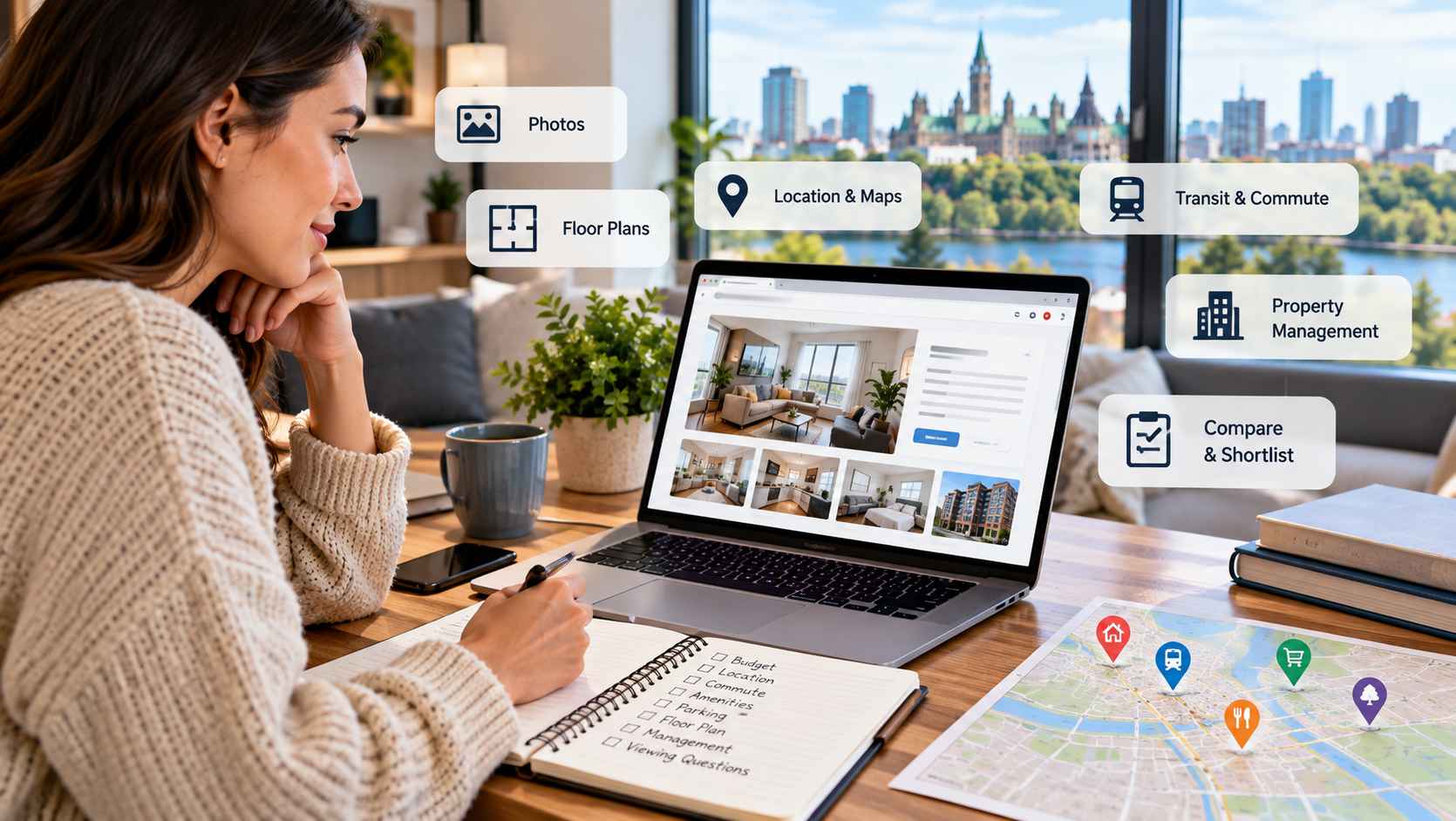
Most apartment searches now begin long before a renter walks through a lobby or opens a front door. A few searches can produce dozens of listings, photographs, floor plans, maps, and property details within minutes.
That convenience is useful, but it can also make it difficult to determine which apartments are genuinely worth seeing in person.
Online research works best as a screening process rather than a replacement for a viewing. The goal is to narrow a long list into a manageable shortlist, identify important questions, and arrive at each viewing prepared.
Start With Your Non-Negotiables
Before opening listing websites, decide what the apartment needs to provide.
Think about your preferred location, approximate budget, number of bedrooms, parking requirements, storage needs, laundry preferences, pet considerations, accessibility requirements, and whether you work from home.
Separate essential requirements from preferences. This simple step can prevent an attractive photograph from influencing you more than practical considerations.
It is also useful to consider the complete housing cost. Depending on the property, expenses beyond rent may include utilities, parking, laundry, storage, internet, transportation, or other services. Ask about anything that could affect your monthly budget before comparing properties.
Read Listing Photos With a Critical Eye
Photos can provide useful information, but they are not a complete representation of an apartment.
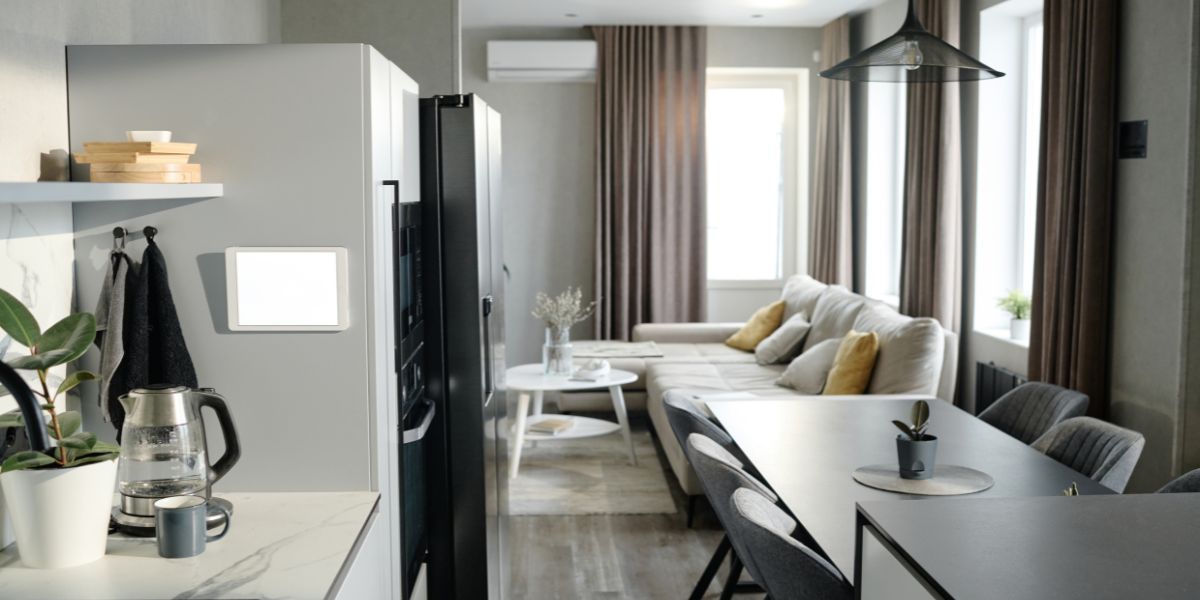
Look carefully at what the images actually show. Consider the position of windows, doors, appliances, closets, and major furniture. Try to understand how rooms connect instead of judging each photograph individually.
Pay attention to what is missing as well. If there are no clear images of storage, bathrooms, entrances, or other practical areas, add those subjects to your questions for the viewing.
Be careful with room proportions. Wide-angle photography can make spaces appear larger or different from how they feel in person.
The best approach is to use photographs to generate questions rather than assumptions.
Use Floor Plans to Understand the Space
When a floor plan is available, it can be one of the most useful tools in an online apartment search.
Look at the relationship between rooms and imagine how you would move through the space. If you already own furniture, compare its measurements with the dimensions shown on the plan when measurements are available.
Think about everyday activities. Where would a desk go? Would a dining table fit comfortably? Is there enough room around the bed? Where would larger belongings be stored?
Two apartments with the same number of bedrooms can feel very different because of their layouts. Wall placement, windows, closets, and living areas can have a significant effect on how usable the space feels.
A floor plan is only a planning tool, however. Important measurements and details should be confirmed during a viewing.
Check the Location From More Than One Angle
An address tells you where a property is, but online maps can help you understand what living there may involve.
Start with your regular destinations. Check routes to work, school, family, or other places you visit frequently. If you use public transit, look at available routes and consider whether transfers and walking distances fit your normal schedule.
Then research everyday services. Grocery stores, pharmacies, healthcare facilities, parks, recreation, restaurants, and other useful destinations can all affect convenience.
Do not rely only on straight-line distances. Look at the actual routes you would use.
Drivers can examine surrounding roads and typical travel routes, while pedestrians and cyclists can consider whether common trips are practical without relying on a vehicle.
Research the Building and Management
Once an apartment passes your basic location and budget checks, spend time researching the building itself.
Look for available information about apartment types, common facilities, parking, laundry, storage, and other practical considerations. Avoid assuming that a feature exists simply because another property offers it.
Property management is another important part of the research process. Look for information about communication, maintenance procedures, resident information, and the general management structure.
When researching professionally managed rental apartments, renters can compare available property information alongside location, building upkeep, management, and practical requirements before deciding which options deserve an in-person visit.
This broader approach matters because the apartment is only one part of the rental experience. The building, shared spaces, management processes, and surrounding neighbourhood will all become part of everyday life.
Keep a Digital Comparison Sheet
Apartment hunting becomes much easier when information is recorded consistently.
Create a simple spreadsheet or notes document for every property that makes your shortlist. Record rent, estimated additional costs, location, commute, parking, storage, laundry, layout, building information, management contacts, and unanswered questions.
You can also give each category a simple rating based on your own priorities.
One apartment might have a convenient location but limited storage. Another might have an appealing layout but a longer commute. A third might fit your budget while leaving questions about parking or other practical arrangements.
There is no need for a complicated scoring system. The purpose is simply to make the differences visible rather than relying on memory.
Use Online Reviews Carefully
Online reviews can help identify questions, but they should not automatically determine your decision.
Individual experiences vary, and a review may not provide enough context to explain what happened. Look for recurring themes rather than treating one positive or negative comment as representative of an entire property.
If several sources raise the same concern, add it to your viewing checklist and investigate it further.
The same principle applies to social media discussions and informal online comments. They can help identify subjects worth exploring, but important decisions should be based on information you can verify.
Prepare Questions Before the Viewing
Good online research should make the in-person viewing more productive.
Prepare a short list of questions based on information that was unclear or unavailable online. You may want to confirm what is included in rent, how parking works, where laundry is located, what storage is available, how maintenance requests are submitted, or whether specific building rules apply.
If you work remotely, consider questions about internet availability and whether the apartment can comfortably accommodate your work setup.
If you drive, clarify parking arrangements. If you have particular accessibility requirements, confirm the details that matter to you rather than relying on general descriptions.
Writing questions down means fewer important details are likely to be forgotten during a busy viewing.
Verify What Online Research Cannot Tell You
Some aspects of an apartment are difficult to judge through a screen.
During the viewing, pay attention to noise, natural light, room proportions, building condition, hallway activity, and how comfortable the space feels.
Look at shared areas as well as the individual unit. Entrances, corridors, elevators, laundry areas, parking areas, and outdoor spaces can all contribute to the overall living experience.
If possible, think about how the property might feel during the times you normally come and go. A brief visit cannot answer every question, but it can reveal details that photographs and maps cannot.
The goal is not to find a completely perfect property. It is to confirm whether the apartment matches your priorities and expectations.
Keep Important Documents Organized
Apartment searches can involve applications, identification documents, financial information, correspondence, and eventually a lease.
Keep records organized and use secure methods when storing or sharing sensitive information. Creating a separate folder for each serious rental option can make it easier to find applications, notes, questions, and communications.
Before providing personal information online, make sure you understand who is requesting it and why. Once you choose a property, retain copies of important rental documents and communications.
Good organization can be just as useful after moving in as it was during the search.
Let Technology Narrow the Search
Online research can save time and make apartment hunting much more organized, but it should not replace real-world evaluation.
Use listings to identify potential options. Use maps to understand location and commuting. Use floor plans to evaluate space. Use digital notes to compare costs and features. Then use the viewing to verify the details that a screen cannot show.
The strongest apartment choice is rarely determined by one photograph or one number. It comes from considering the complete picture: budget, location, layout, building condition, management, transportation, daily convenience, and long-term suitability.
A little careful research before booking a viewing can turn a crowded list of possibilities into a focused shortlist. From there, an in-person visit can help determine whether a property actually fits the way you live.